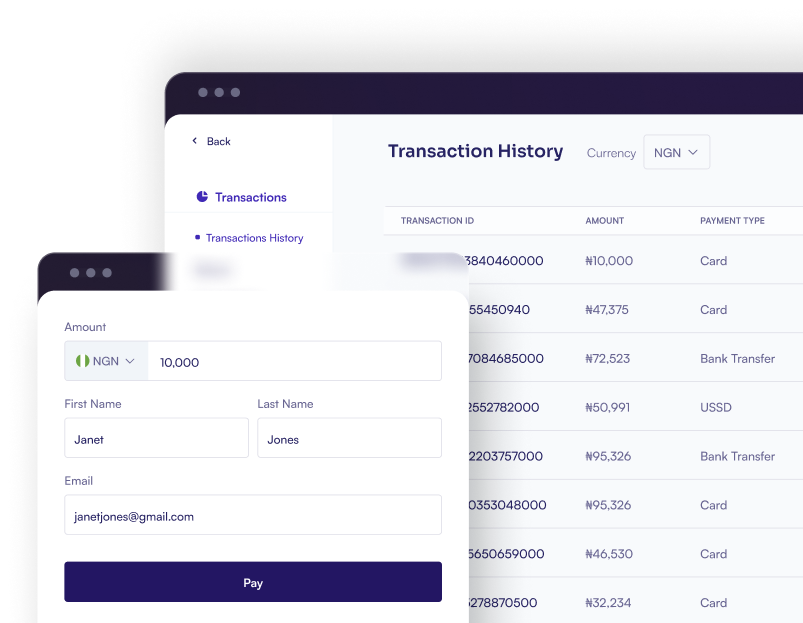
- 1. Flutterwave: The Global Gateway ($3.0B Valuation)
- 2. OPay: The King of the Retail Street ($2.75B Valuation)
- 3. Moniepoint Inc.: The SME Lifeline ($1.1B Valuation)
- 4. Interswitch: The Infrastructure Architect ($1.0B Valuation)
- 5. PalmPay: The Consumer Ecosystem ($0.9B Valuation)
- 6. Paystack (by Stripe): The Developer’s Darling
- 7. Kuda Bank: The Neobank Pioneer
- 8. Paga: The Inclusion Trailblazer
- 9. Remita: The B2G Powerhouse
- 10. BudPay: The Disruptor
- Comparison Table: Top 5 Fintechs by Volume (Projected 2026)

The Nigerian fintech landscape has undergone a seismic shift. If 2022 was the year of the “Unicorn,” then 2026 is the year of the “Utility.” No longer content with just burning VC cash, the top payment companies in Nigeria have matured into profitable, infrastructure-heavy institutions that rival traditional Tier-1 banks.
According to the latest CBN National Financial Inclusion Strategy (NFIS) Report for 2026, digital payment penetration has hit an all-time high of 82% among the adult population. From the bustling markets of Kano to the tech hubs of Yaba, these ten companies are the engines driving Africa’s largest economy.
1. Flutterwave: The Global Gateway ($3.0B Valuation)
Flutterwave remains the undisputed heavyweight champion. By 2026, the company will have successfully moved past its previous regulatory hurdles to become a model of African corporate governance. Their “Barter” evolution into a full-scale commerce engine allows Nigerian merchants to sync their inventory directly with global marketplaces like Amazon and Alibaba.
- 2026 Innovation: The “One-Africa” License, allowing merchants to settle payments across 15 African countries instantly.
- Market Share: Dominates 60% of enterprise-level payment processing in West Africa.
2. OPay: The King of the Retail Street ($2.75B Valuation)
OPay’s green-and-white branding is more ubiquitous in 2026 than most bank branches. By leveraging a network of over 1.2 million agents, OPay has solved the “last mile” problem of financial inclusion. Their super-app now includes AI-driven micro-lending, which analyzes transaction history to provide instant credit to petty traders.
- Why they lead: High uptime (99.9%) and zero-fee transfers between OPay wallets.
3. Moniepoint Inc.: The SME Lifeline ($1.1B Valuation)
Moniepoint is the silent giant of the Nigerian economy. In 2026, it is rare to find a physical store in Lagos or Abuja without a Moniepoint POS terminal. Their pivot from a pure agency banking model to a full-service business bank has allowed them to capture the “middle market” that traditional banks often ignore.
- The 2026 Edge: Integrated payroll and inventory management software embedded directly into their POS hardware.
4. Interswitch: The Infrastructure Architect ($1.0B Valuation)
The “Grandfather of Fintech” is still very much in the game. In 2026, Interswitch has focused on the “rails.” They provide the backend switching technology for almost all Nigerian banks. Their Verve card has officially overtaken international competitors in local transaction volume due to lower scheme fees and better local support.
5. PalmPay: The Consumer Ecosystem ($0.9B Valuation)
PalmPay has mastered the “gamification” of finance. In 2026, users don’t just pay bills; they earn “PalmPoints” that can be used for data, electricity, and even transport. Their aggressive marketing and high-yield savings products (PalmForce) have made them the preferred choice for Gen Z and Millennials.
6. Paystack (by Stripe): The Developer’s Darling
Paystack continues to provide the cleanest API documentation in the market. In 2026, they have expanded deeply into “Paystack Commerce,” a Shopify-like experience for Nigerians. Their integration with Stripe’s global network means a Nigerian developer can start a business and accept payments from a customer in Tokyo as easily as one in Port Harcourt.
7. Kuda Bank: The Neobank Pioneer
Kuda has transitioned from the “Bank of the Free” to the “Bank of the Bold.” In 2026, their focus is on Kuda Business, offering automated tax filing for freelancers and high-interest corporate accounts. Their physical “Experience Centres” have replaced traditional bank branches, offering tech support and lounge access to premium members.
8. Paga: The Inclusion Trailblazer
Paga remains the most resilient fintech in the North and rural South. Their 2026 strategy involves “offline payments” via USSD and sound-wave technology, allowing users to pay even without an internet connection. They remain the primary partner for the Nigerian government’s social investment programs.
9. Remita: The B2G Powerhouse
If you are paying the Federal Government of Nigeria in 2026, you are using Remita. Owned by SystemSpecs, this platform has saved the government trillions in leaked revenue. Their new Remita HR module has become the standard for public and private sector salary disbursements.
10. BudPay: The Disruptor
The newest entrant on the list, BudPay, has skyrocketed to a $400M valuation in just 18 months. The secret? Fast Settlements. They allow Nigerian businesses to pay international suppliers using Naira, which is instantly converted to USDC on the backend, bypassing the traditional 3-day wait time of legacy banks.
Comparison Table: Top 5 Fintechs by Volume (Projected 2026)
| Company | Primary Audience | Key Feature | Uptime Rating |
| Flutterwave | Enterprises/Global | Multicurrency Checkout | 99.4% |
| OPay | Retail/Unbanked | Instant P2P Transfers | 99.9% |
| Moniepoint | SMEs/Merchants | Business Loans | 99.7% |
| Paystack | Developers/SMEs | API Integration | 99.8% |
| BudPay | B2B | Payments, Remittances | 98.9% |