Want to sell to customers in the US, UK, or Canada from Nigeria? Here’s everything you need to get started — from having the mindset to getting paid.
There’s a version of your business where a customer in Toronto buys something from you on a Tuesday afternoon while you’re having lunch in Lagos.
Not someday. Now.
It’s already happening for thousands of Nigerian businesses: fashion designers moving units to the diaspora, tech freelancers billing US startups, food entrepreneurs shipping to the UK, service providers consulting for Canadian firms. The market is there. The appetite is real. What separates the businesses doing it from the ones still waiting is not luck or scale or a foreign address. It’s mostly one thing: knowing how to get paid.
The myth that holds most businesses back
A lot of Nigerian entrepreneurs assume that selling internationally means setting up a foreign company, opening a bank account abroad, or navigating some complicated legal maze before they can take a single dollar from a foreign customer. That assumption stops more businesses than any real barrier ever has.
The truth is simpler. If your product or service can reach someone outside Nigeria, through your website, your Instagram page, your portfolio, a referral, a marketplace listing, you can get paid for it. The infrastructure to make that happen exists. You don’t have to be a large business to access it.
Where Nigerian businesses are already winning globally
The range is wider than most people realise.
Social commerce sellers.
Thousands of Nigerian businesses run entirely through Instagram, TikTok, and WhatsApp. They post, they get DMs, they make sales. Many of them already have customers in diaspora communities in the UK, US, and Canada who found them through a shared hashtag or a mutual follow. The problem is not the customer. It’s that sending a payment link that actually works across borders has historically been clunky.
Freelancers and service providers.
Designers, developers, copywriters, consultants, video editors, virtual assistants. The global market for Nigerian talent is deep and growing. If you’ve ever worked with an international client and lost time chasing wire transfer confirmations or explaining why your bank details look the way they do, you already know the friction.
Digital product creators.
Templates, courses, presets, e-books, and software tools. Once it’s built, it sells anywhere. But “sells anywhere” only works if “gets paid from anywhere” also works.
Product-based businesses.
Whether you’re selling handmade goods, packaged food, clothing, or anything else shippable, a customer in Houston or Manchester is just as real as one down the street. They just need a frictionless way to pay you.
The payment piece, explained simply
When an international customer wants to pay you, a few things need to happen. They need to pay in their currency, dollars, pounds, or Canadian dollars, using a method they trust. That payment needs to move across borders cleanly. And you need to receive the value on your end in a way that’s actually accessible to you.
For a long time, the options available to Nigerian businesses were limited. International PayPal wasn’t fully accessible. Bank transfers were slow and felt invasive to request. Asking a customer to sign up for a platform they didn’t already use was a quiet conversion killer.
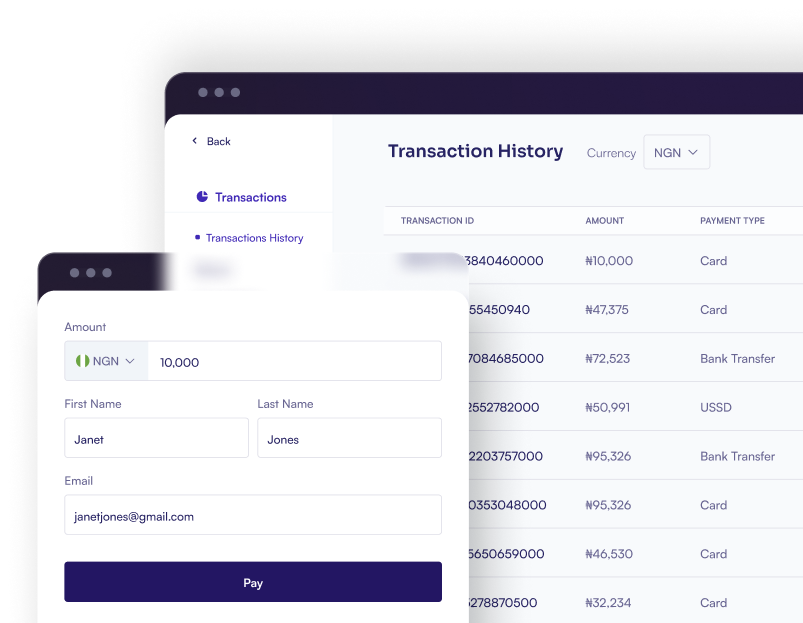
That’s changed. Payment infrastructure built specifically for this now exists. BudPay, for example, lets you generate a payment link and send it directly to a customer abroad. They pay in their currency, you receive settlement in yours, no foreign account required on either end. For businesses with a website or platform, there’s API integration that handles the same thing at checkout. Either way, the transaction works, and the border stops being the problem.
What this actually unlocks
When the payment piece is solved, the conversation shifts. You stop thinking about whether you can sell internationally and start thinking about who you’re selling to and how you reach them.
That’s where the real work and the real opportunity live. Pricing for international markets. Building an audience across borders. Creating the kind of trust that turns a one-time buyer into a repeat customer. None of that is easy, but all of it becomes possible once you know the transaction can happen.
The businesses that grow globally from Nigeria are not waiting for perfect conditions. They’re solving one problem at a time. The payment problem is one you can solve today.
Ready to start collecting from international customers?
BudPay’s payment infrastructure lets Nigerian businesses accept payments from customers in the US, UK, Canada, and beyond, with settlements received directly into their Nigerian accounts.
Get started with BudPay